Radstock doesn’t get talked about the way Bath does, and most homeowners here aren’t looking for a Bath postcode premium attached to their quote — they want honest pricing and genuine build quality for a town with its own distinct housing stock and its own distinct history. That history is coal. Radstock was the working heart of the Somerset coalfield, a story the town still preserves at Radstock Museum in the old Market Hall, and the streets of terraced miners’ cottages and solid Victorian housing built for that workforce are what most renovation and extension work here actually involves.
The Mine-Shaft Question
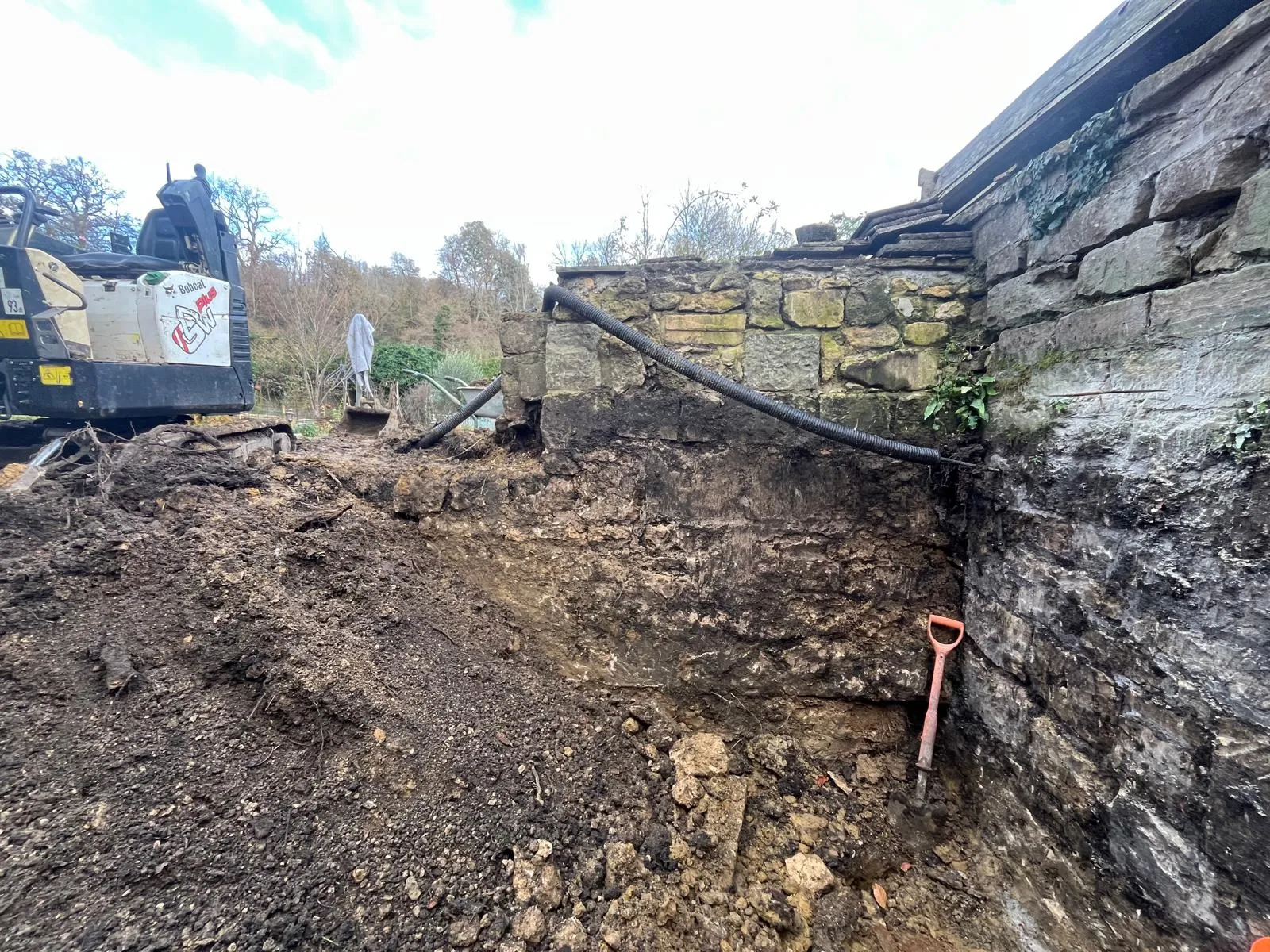
This is the one thing that genuinely sets Radstock apart from most Somerset towns, and it’s worth addressing directly rather than glossing over: former mine-shaft records are a real consideration on some sites across the town and the wider Somer Valley. Before any groundwork begins — an extension foundation, a garage base, significant landscaping — we check historical mining records for the specific plot and survey accordingly. It isn’t a formality and it isn’t something to be nervous about; it’s a standard part of due diligence here that simply doesn’t apply in most of Bath, and skipping it is how foundation problems surface years later rather than being designed around from day one.
Refurbishing a Radstock Terrace
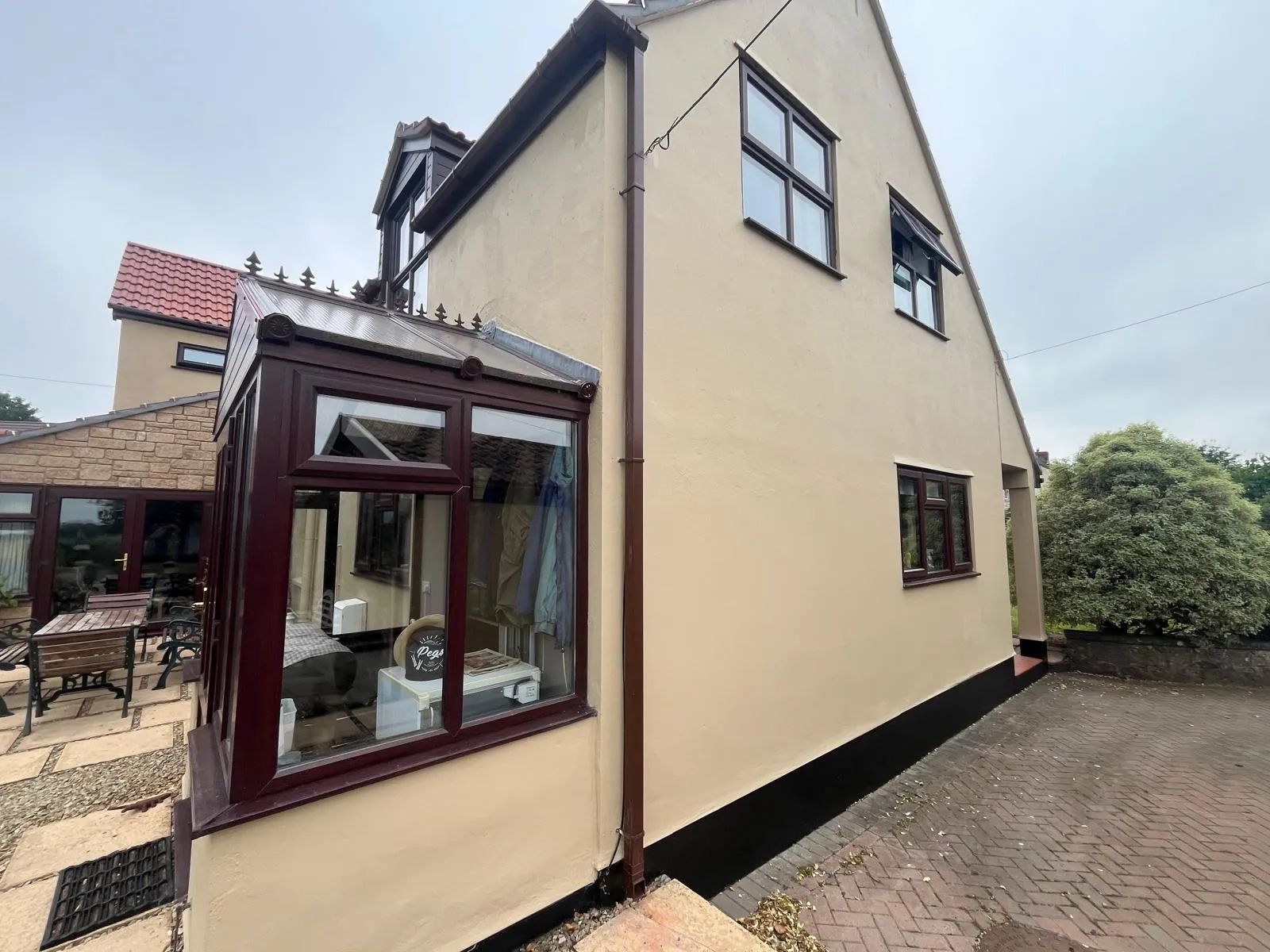
The terraced miners’ cottages that make up much of Radstock’s housing stock share common structural traits: solid Victorian brick or stone construction, narrow floor plans, and — in many cases — decades of piecemeal alteration that need proper assessment before a refurbishment plan is drawn up. Full interior refurbishments here typically involve reconfiguring cramped original layouts into something that works for modern living, upgrading kitchens and bathrooms that haven’t been touched in a generation, and addressing damp or structural issues that are common in housing stock of this age. Party wall considerations matter too — these terraces share structure with their neighbours, and any work affecting a party wall needs the proper notices served before work starts, not as an afterthought once it’s already underway.
Extending on a Coalfield Plot
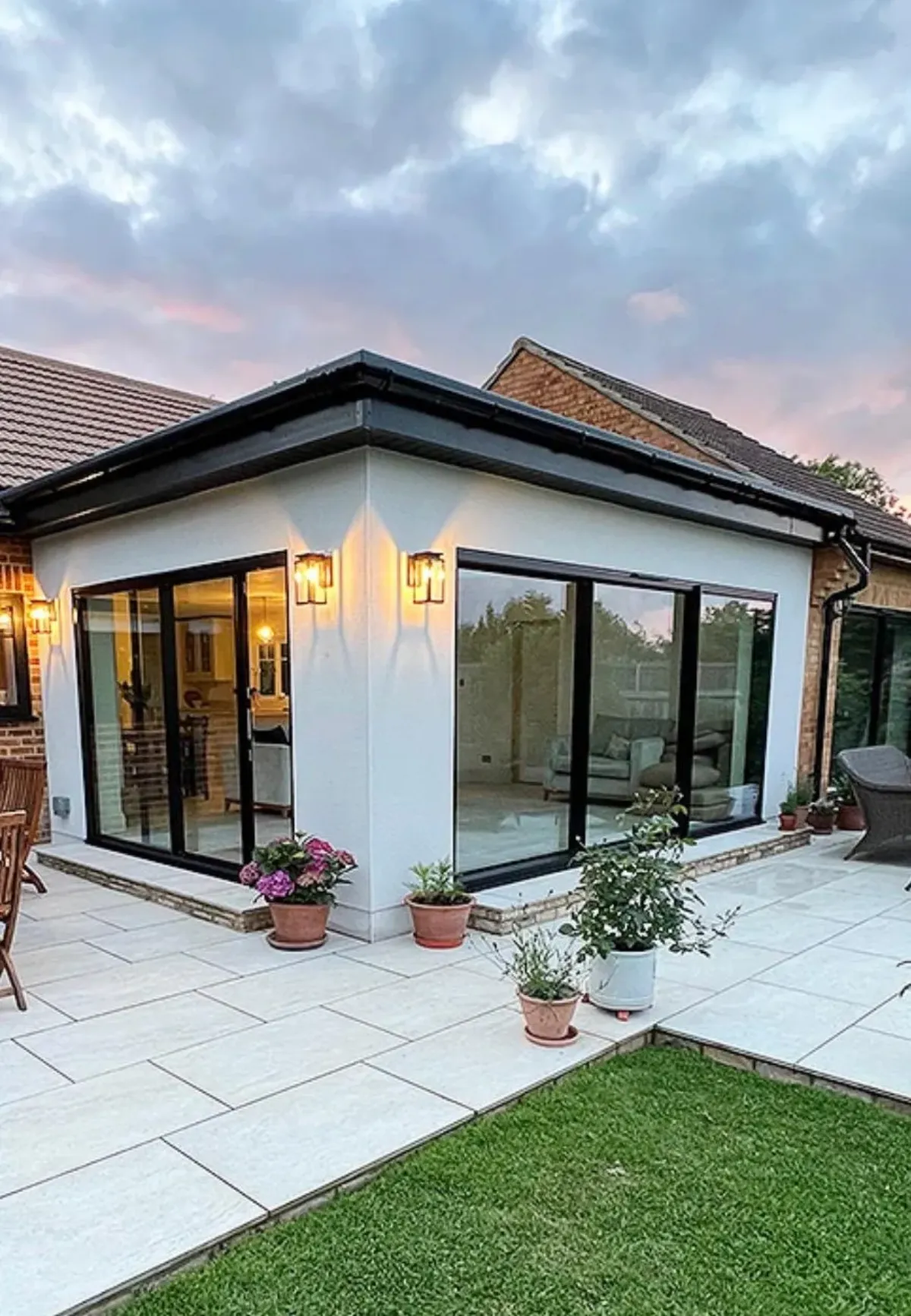
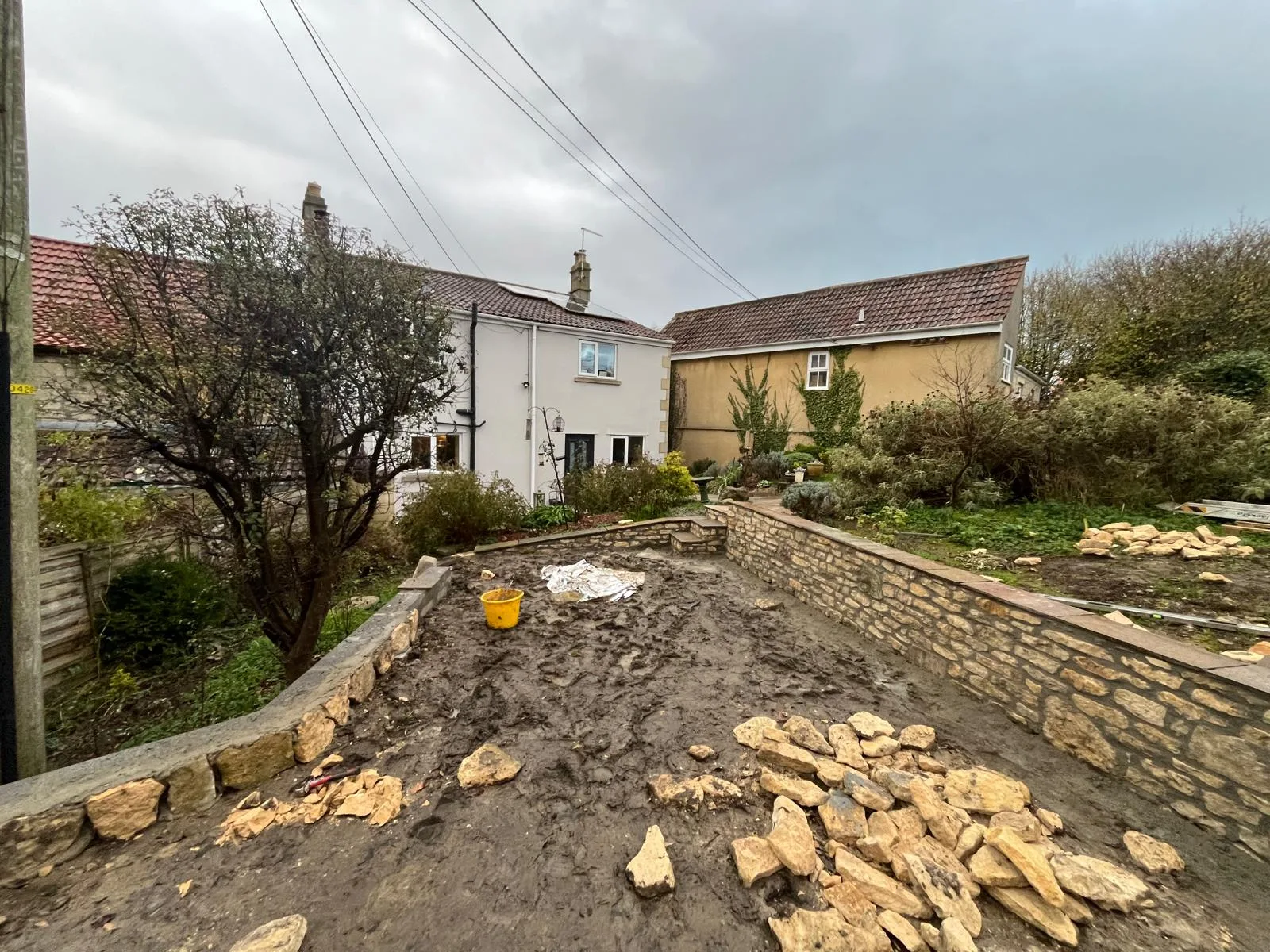
Extensions are one of the most requested projects in Radstock, and the same ground-condition awareness that applies to mine-shaft surveys extends to foundation design more broadly. Terraced properties with modest rear plots suit single-storey rear extensions and side returns well; the semi-detached and detached housing further from the town centre often has more room for larger single or double-storey additions. Whatever the scope, foundation design here starts with understanding what’s actually in the ground — not just standard load-bearing calculations, but the specific geology and mining history of the plot.
Garage Conversions and Outbuildings
Garage conversions are a genuinely good option for a lot of Radstock properties, particularly where an integral or attached garage is being used for storage rather than a car and could become a proper room instead. As with any groundworks-adjacent project here, we check the same historical records before committing to a conversion that involves new foundations or significant structural change.
What a Realistic Project Looks Like
A Radstock renovation, refurbishment, or extension starts the same way regardless of scale: a proper site visit, a check of the plot’s mining history where relevant, and an honest, fixed-price quote that reflects what the ground and the existing structure actually require — not a generic number that gets revised once work has started. We apply the same rigorous project management to a kitchen refurbishment as we do to a full structural extension, because the size of the job doesn’t change how carefully it needs planning.
As a Bath builder that’s worked extensively across the Somer Valley, we know Radstock’s housing stock and its ground conditions well enough to quote accurately the first time. Arrange a free site visit and get an honest assessment of what your Radstock project actually needs.