“How much will it cost?” is usually the first question and the hardest one to answer honestly, because the true answer is always “it depends.” That’s not an evasion — a rear extension on a flat Weston plot and a rear extension on a sloped Widcombe site with retaining wall requirements are genuinely different jobs, even if they sound the same on paper. What follows are realistic Bath-area ballpark figures, and the specific things that move a project from the bottom of a range to the top.
House Extensions
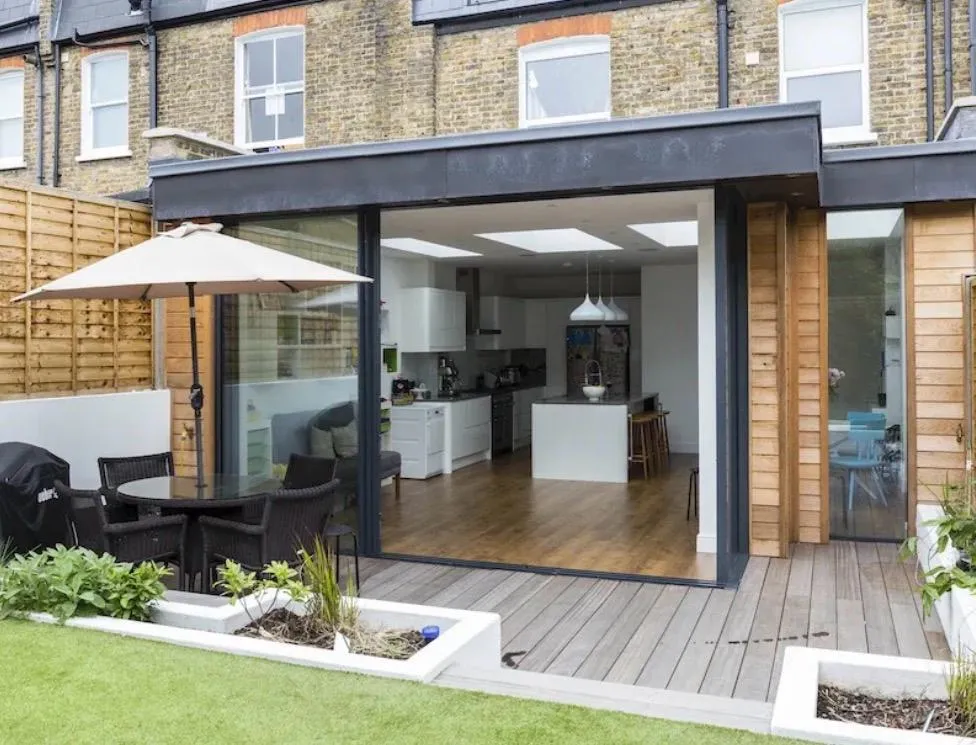
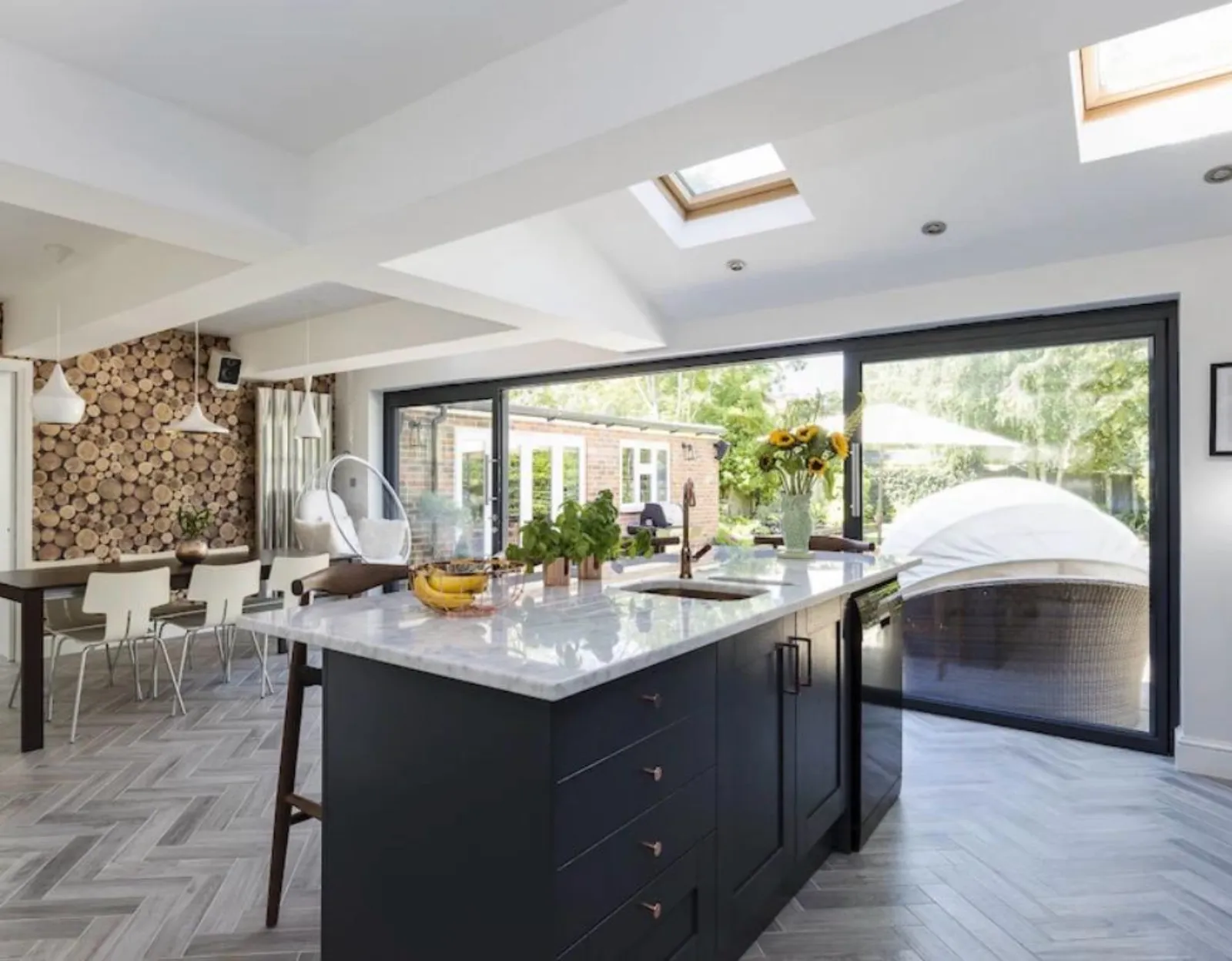
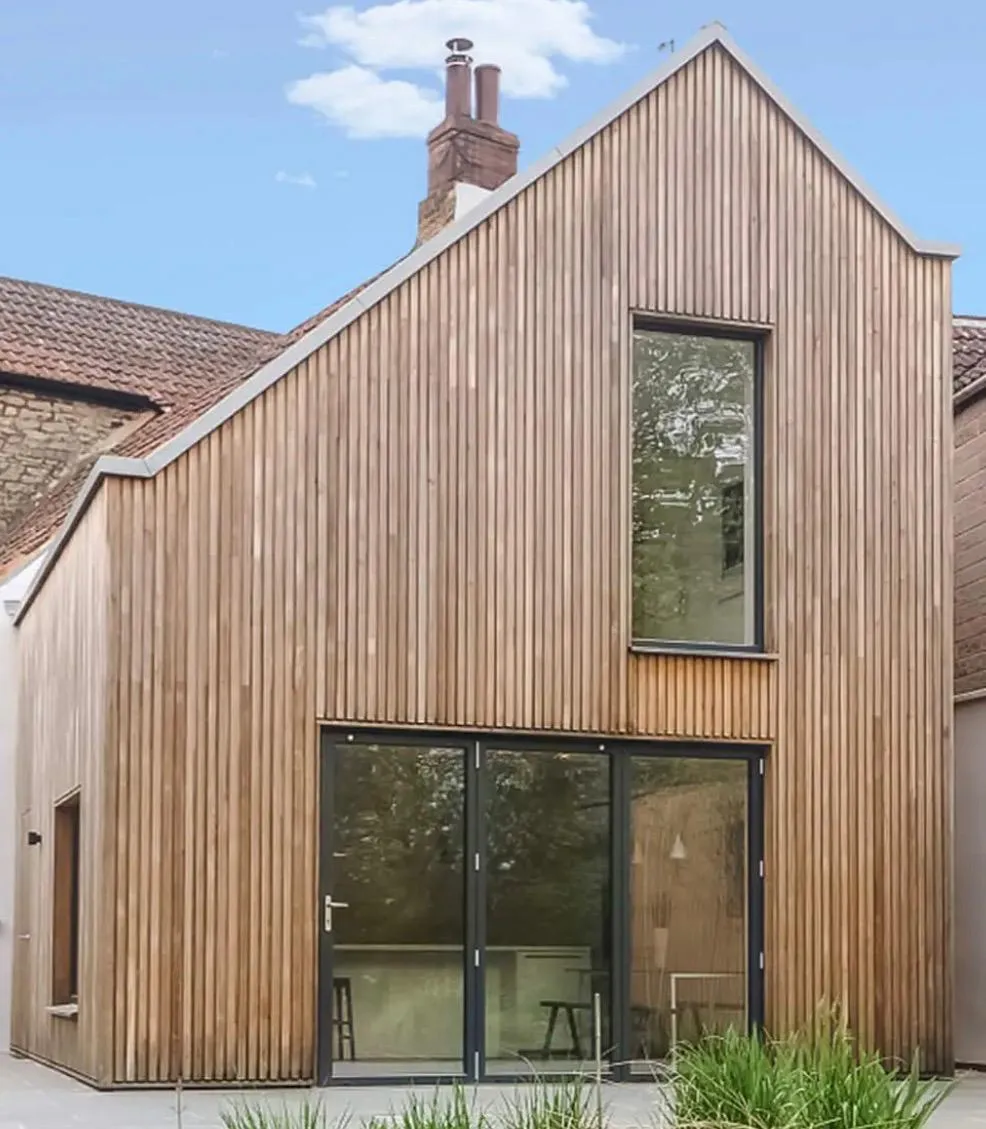
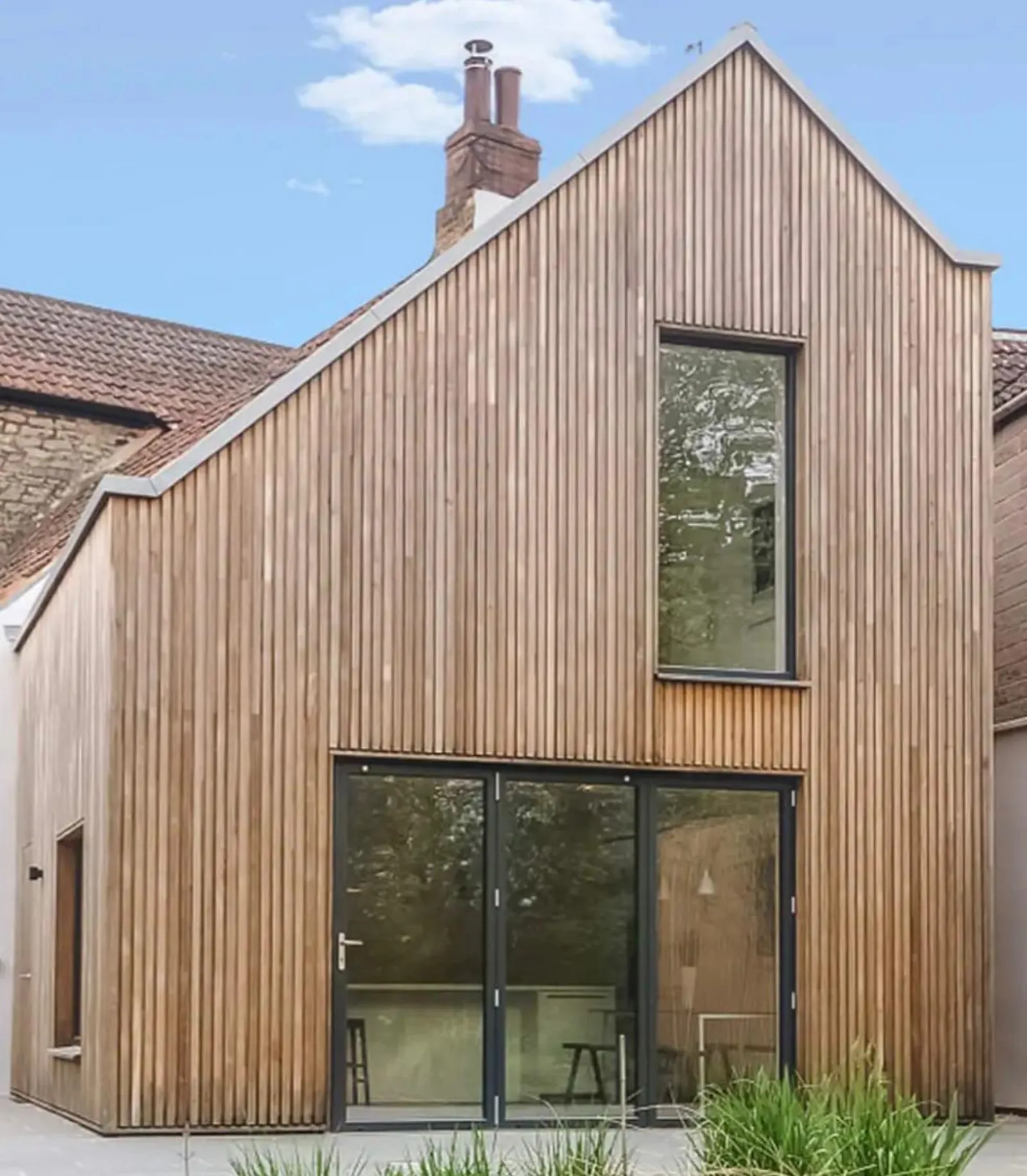
Single-storey rear extensions in Bath typically start around £60,000, with double-storey extensions running from £90,000 to £150,000+ depending on scale and specification. The biggest cost drivers are foundation type (a sloped site needs more substantial groundwork than a flat one), the extent of structural steel required, and how far the finish specification goes — a basic extension and a extension finished to a high specification with underfloor heating, bifold doors, and a bespoke kitchen can differ by tens of thousands on an identical footprint.
Loft Conversions
- Velux/rooflight conversion: £18,000–£28,000
- Dormer conversion: £35,000–£55,000
- Hip-to-gable conversion: £40,000–£65,000
- Mansard conversion: £50,000–£80,000+
Roof type is the single biggest factor here — a straightforward Velux conversion on a property with adequate existing headroom is a fundamentally simpler job than a mansard conversion that effectively rebuilds the roof structure. Read the full loft conversion cost breakdown for what pushes each type up or down.
Kitchen Refits
- Like-for-like refit: £8,000–£15,000
- Refit with new layout: £15,000–£28,000
- Refit with structural work (removing a wall, adding steel): £28,000–£45,000+
The gap between the cheapest and most expensive quote for what sounds like “the same kitchen” is almost always about what’s included — see our full kitchen refit cost guide for the questions to ask before comparing quotes.
Garage Conversions
- Integral garage: £12,000–£22,000
- Attached garage: £15,000–£28,000
- Detached garage: £20,000–£40,000
Detached conversions cost more because they typically need new services run out to the building — power, heating, sometimes drainage — rather than tapping into what’s already there. Full detail in our garage conversion cost guide.
What Actually Moves a Quote Up or Down
Access. Bath’s terraced streets and narrow rear accesses genuinely affect cost. No rear vehicle access can add £1,500–£3,000 for additional scaffolding, hand-carrying materials, and slower skip logistics.
Listed status and conservation areas. Heritage requirements — lime mortar instead of cement, matched Bath stone, conservation-approved windows — cost more than standard materials and take longer to source. It’s not optional on a Listed building, and it shouldn’t be treated as one.
Ground conditions. Bath’s clay-heavy soil and the number of hillside and sloped sites across the city mean foundation work varies significantly property to property. A site survey before quoting isn’t a formality — it’s what stops a fixed price turning into a variation request once the ground is opened up.
Specification level. The single biggest lever within your control. A “same size, same layout” extension can vary by 40% or more purely based on fittings, finishes, and glazing choices.
Why “Cheapest Quote” Is the Wrong Question
A £5,000 gap between two quotes for “the same job” almost always means they’re not actually quoting the same job.
The quote that looks cheapest on the page is frequently the one with the most excluded from it — no skip, no scaffolding, no making-good, no planning management. Compare like-for-like scope, not just the number at the bottom.
We provide fixed-price quotes as standard — itemised, with everything included, agreed before work starts. As a Bath builder with 22 years trading, our pricing reflects the actual work, not a lowball figure designed to win the job and get adjusted later. Arrange a free site visit for an honest, itemised quote on your specific project.